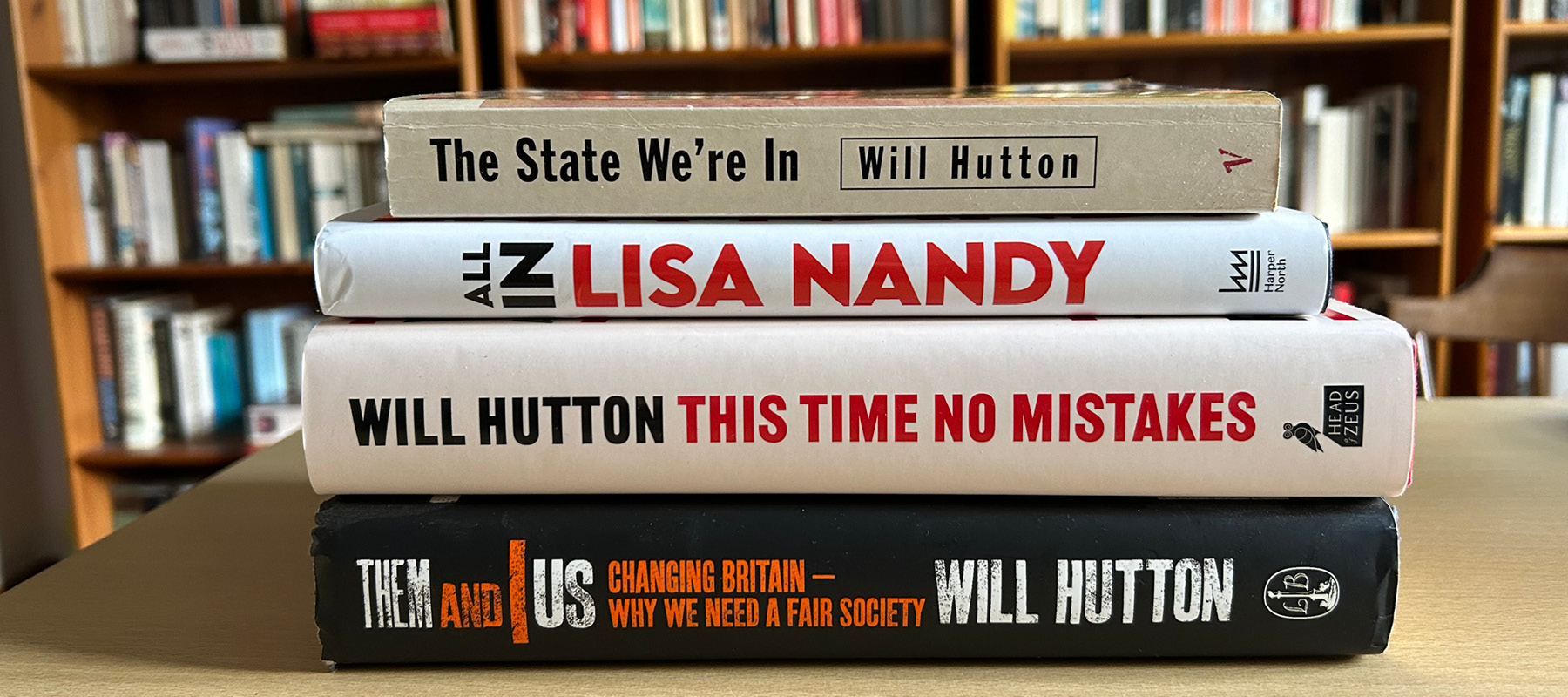
If he were alive today, Benjamin Franklin would surely have said that nothing is certain in life except death, taxes and political parties refusing to be honest about taxes during an election campaign.
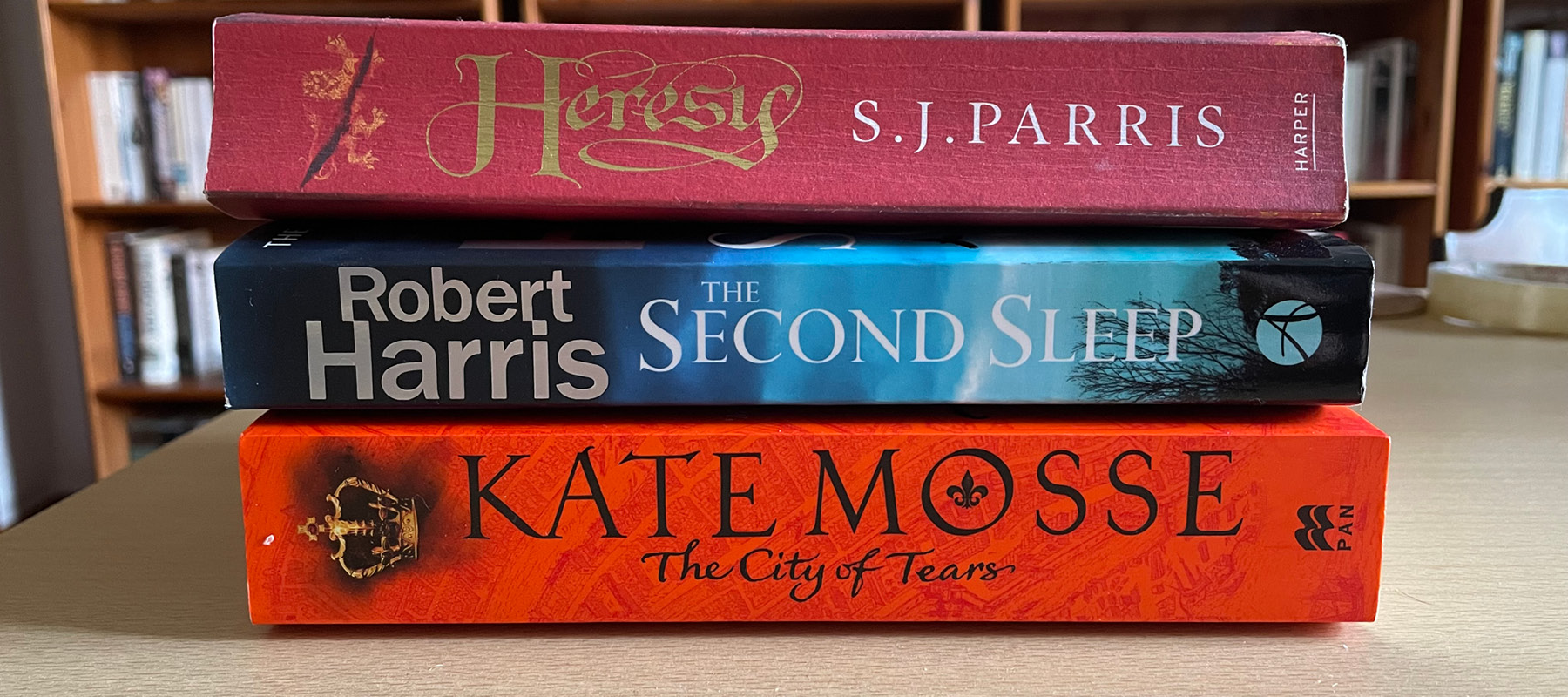
The writer of good historical fiction must also be something of a tightrope-walker, ensuring that the reader is given sufficient contextual detail without either sounding didactic or overloading the text with extraneous detail.
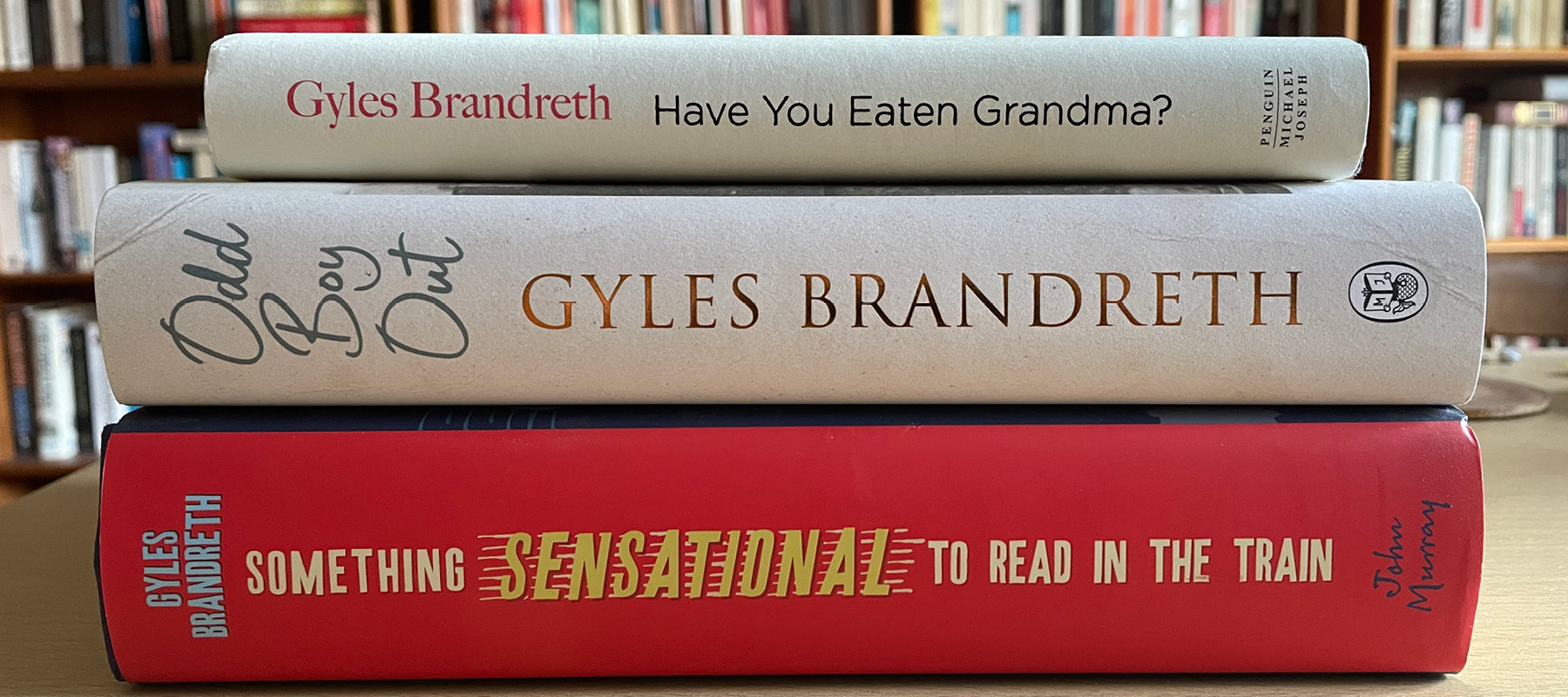
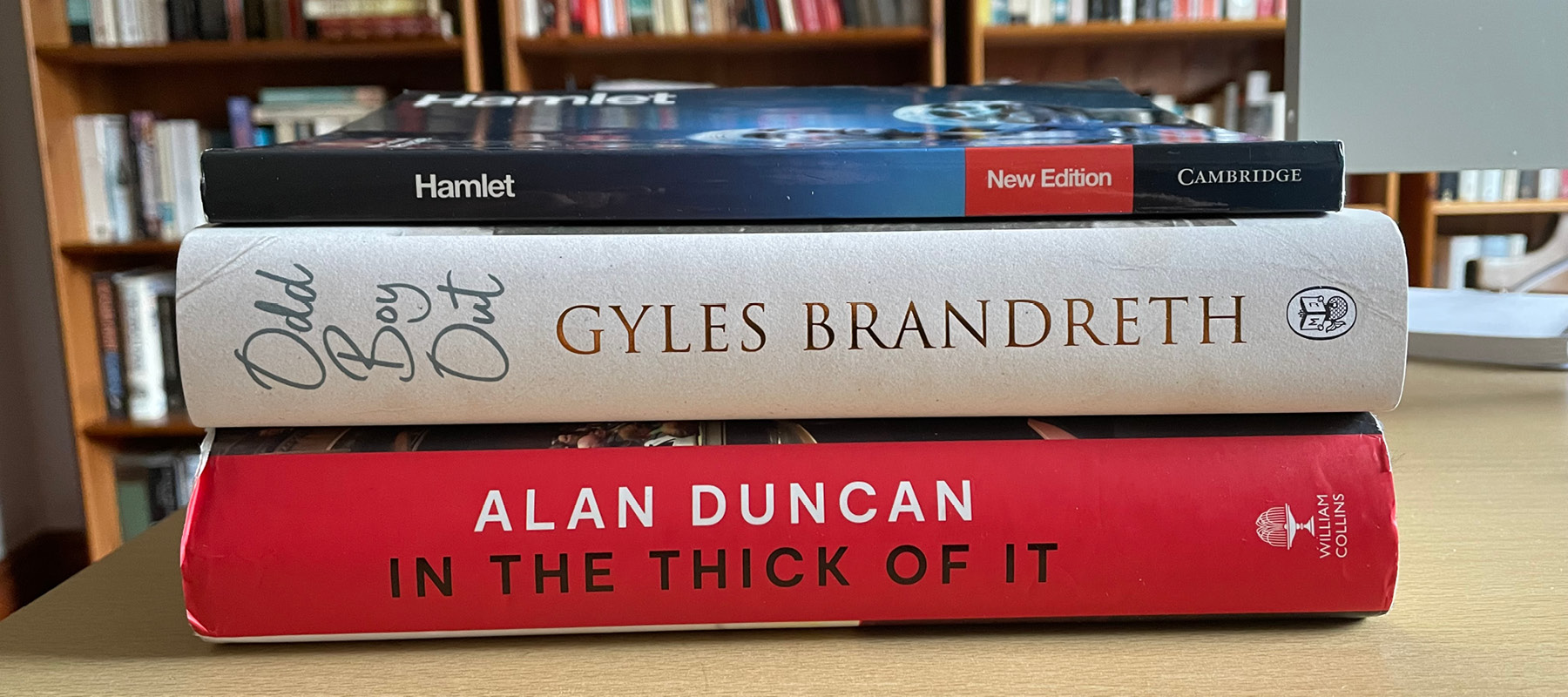
A review of Odd Boy Out by Gyles Brandreth and some thoughts on why I like and admire “the Marmite of light entertainment”.
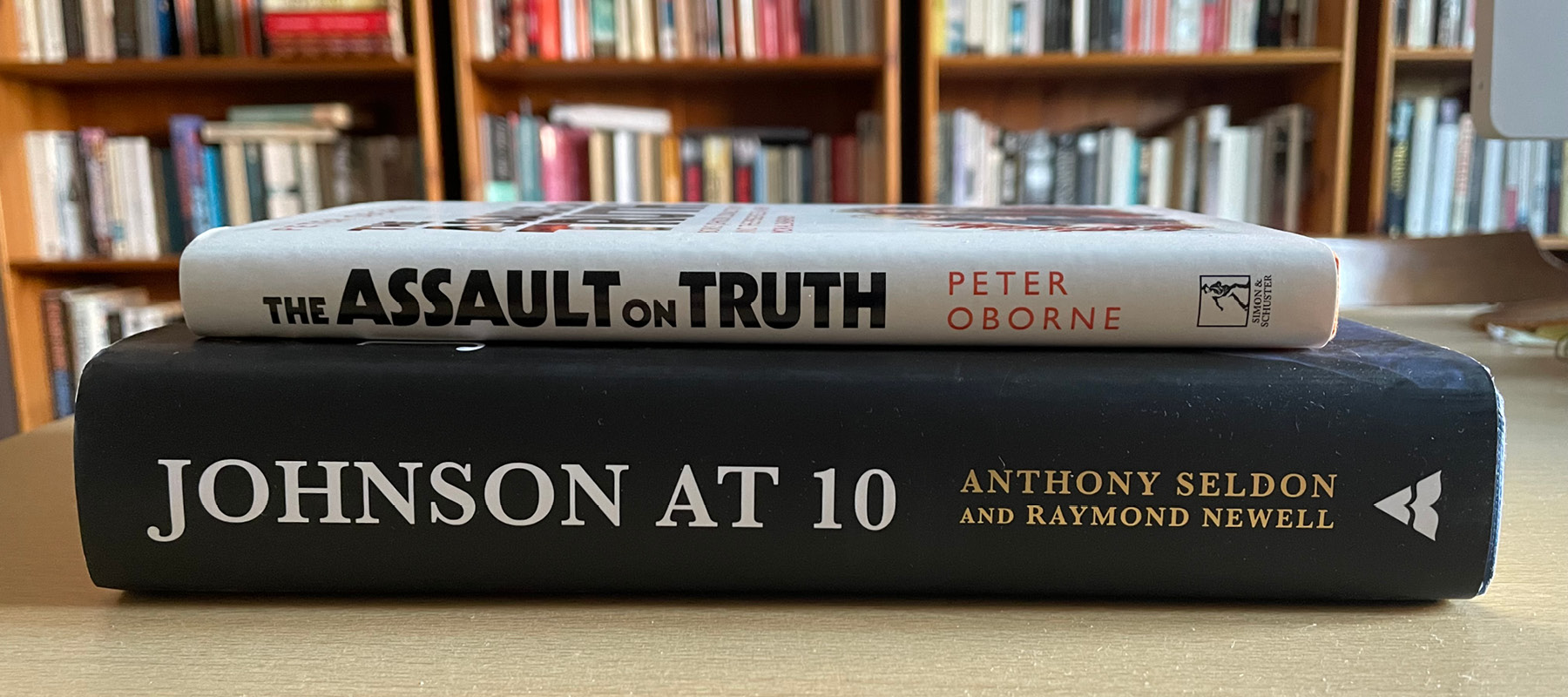
I don’t normally bother with books like Johnson at 10. It’s not that I don’t like politics. Far from it. I have followed politics and read political history all my adult life. Political philosophy, political ideologies/theories (liberalism, conservatism, socialism etc) and books about future…
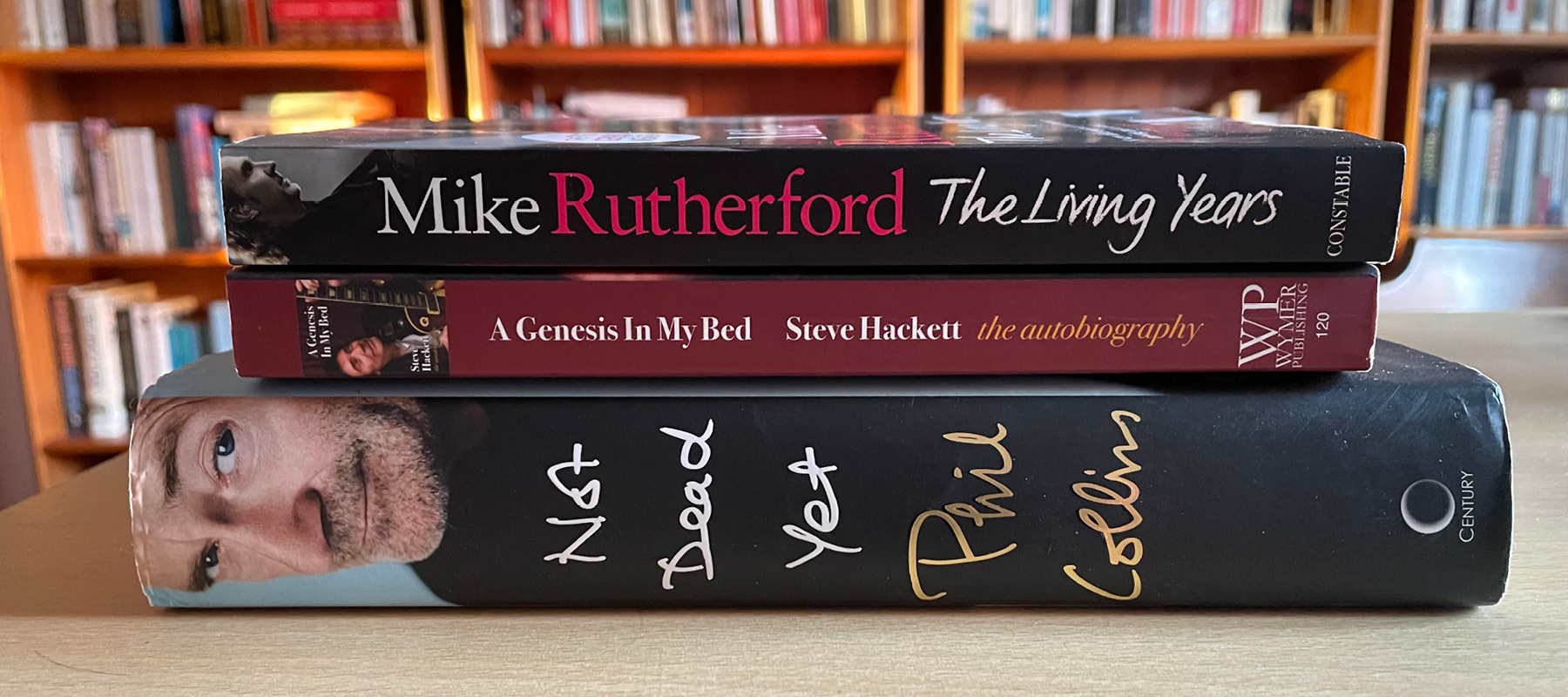
Thoughts on autobiographies by members of Genesis: Not Dead Yet by Phil Collins; A Genesis in My Bed by Steve Hackett; The Living Years by Mike Rutherford.
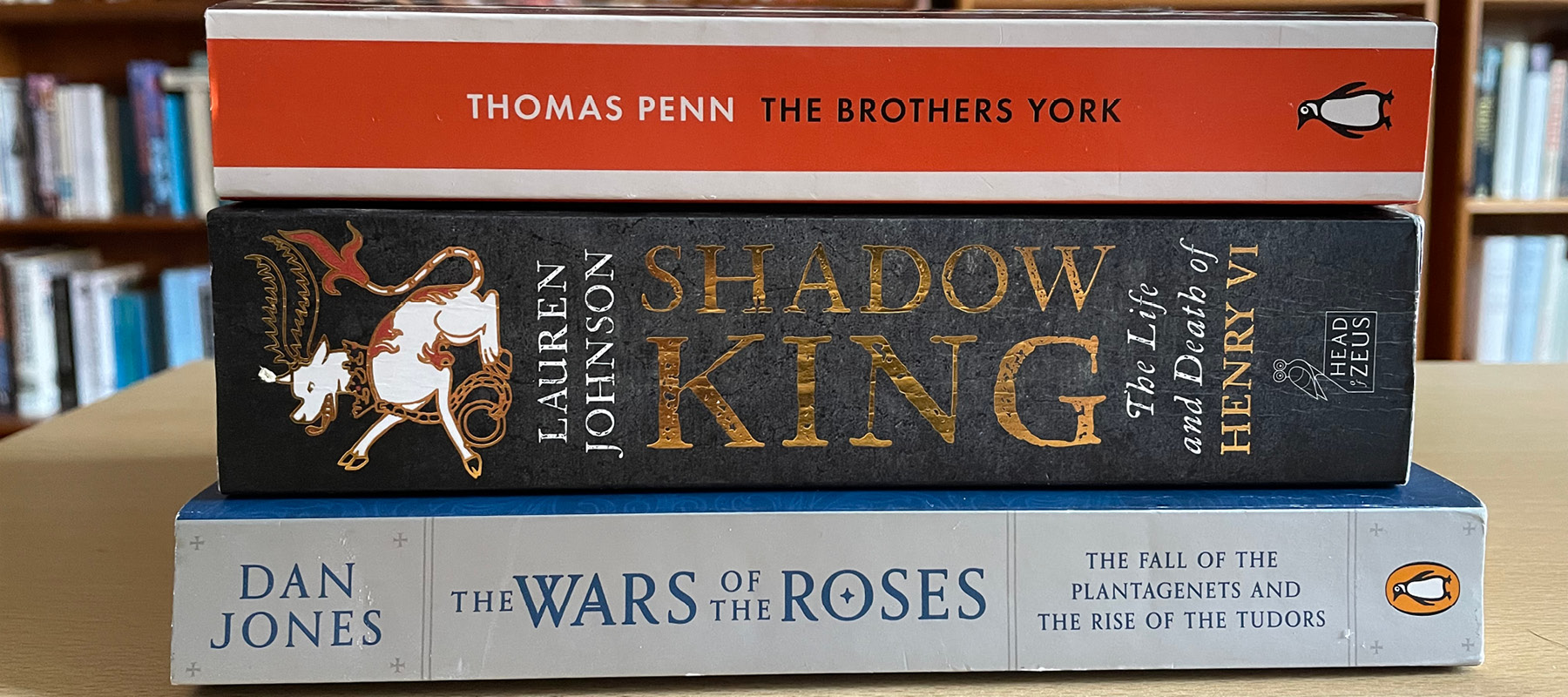
The past, it is proverbially said, is a foreign country. Perhaps it is, though in my case huge chunks of English history – the whole of the medieval and early modern periods, for example – were for a long time more like a far-off world than merely a place somewhere beyond the shores of Britain.
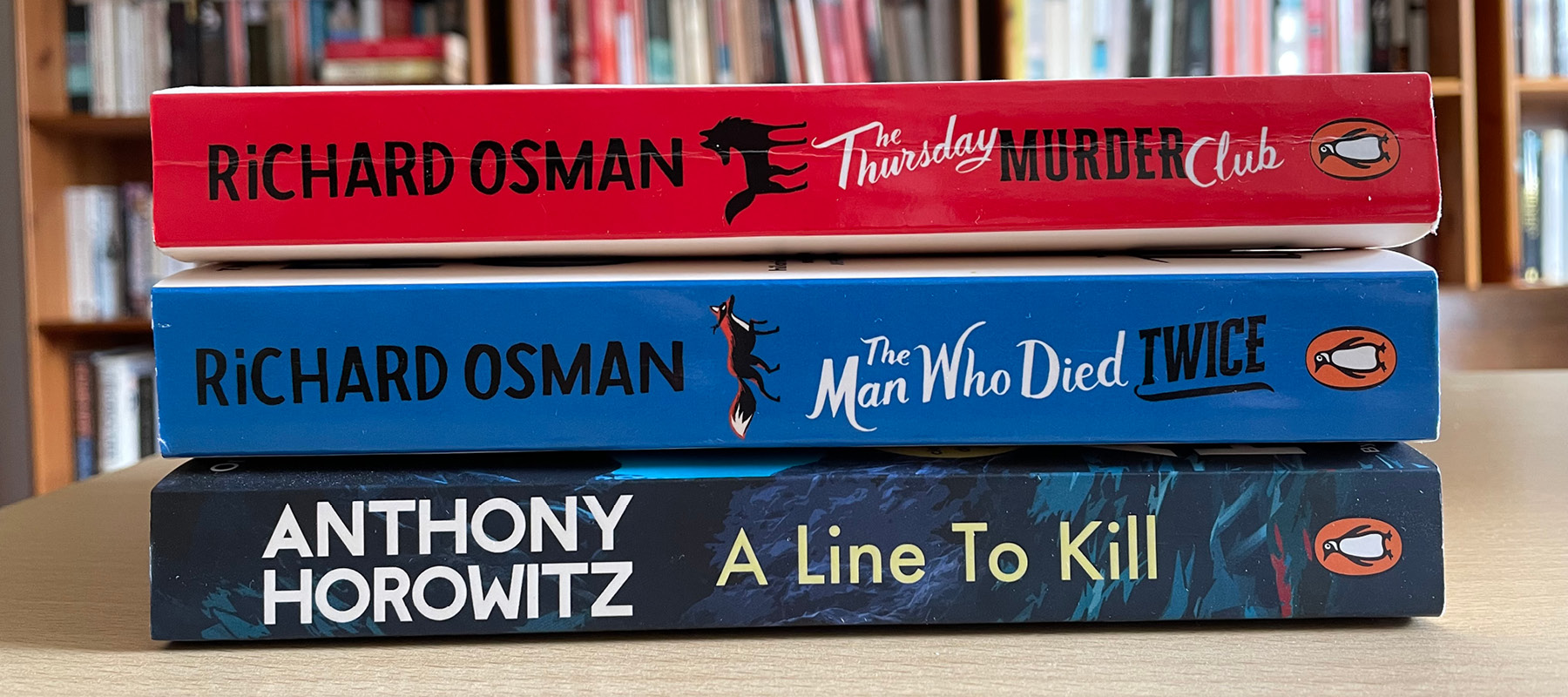
I shut my ears to the fanfare around The Thursday Murder Club, the first novel by Richard Osman, until I was charmed and disarmed by an interview in the paper promoting the follow-up. And yes, it is annoyingly good – as is the second in the series, The Man Who Died Twice, which I have just finished.
When plans for the film Ammonite, about the nineteenth-century English fossil collector and palaeontologist Mary Anning, were announced, I assumed – wrongly, as it turns out – that it would concentrate on her struggles to be recognised for her expertise and pioneering work. In fact, other than brief scenes in the British Museum that top and tail the film – a new exhibit that makes no mention of Mary’s role in finding and identifying it – the emphasis is very much on her life in Lyme Regis and a love affair with Charlotte Murchison who, though wealthy and privileged, is trapped in a stifling, loveless marriage.
9 March I first became aware of Gyles Brandreth via his appearances on Channel 4’s Countdown in the early-ish eighties. Muddled memory confession time: I always thought of him as the second occupant of Dictionary Corner, following a lengthy Kenneth Williams residency, until I…
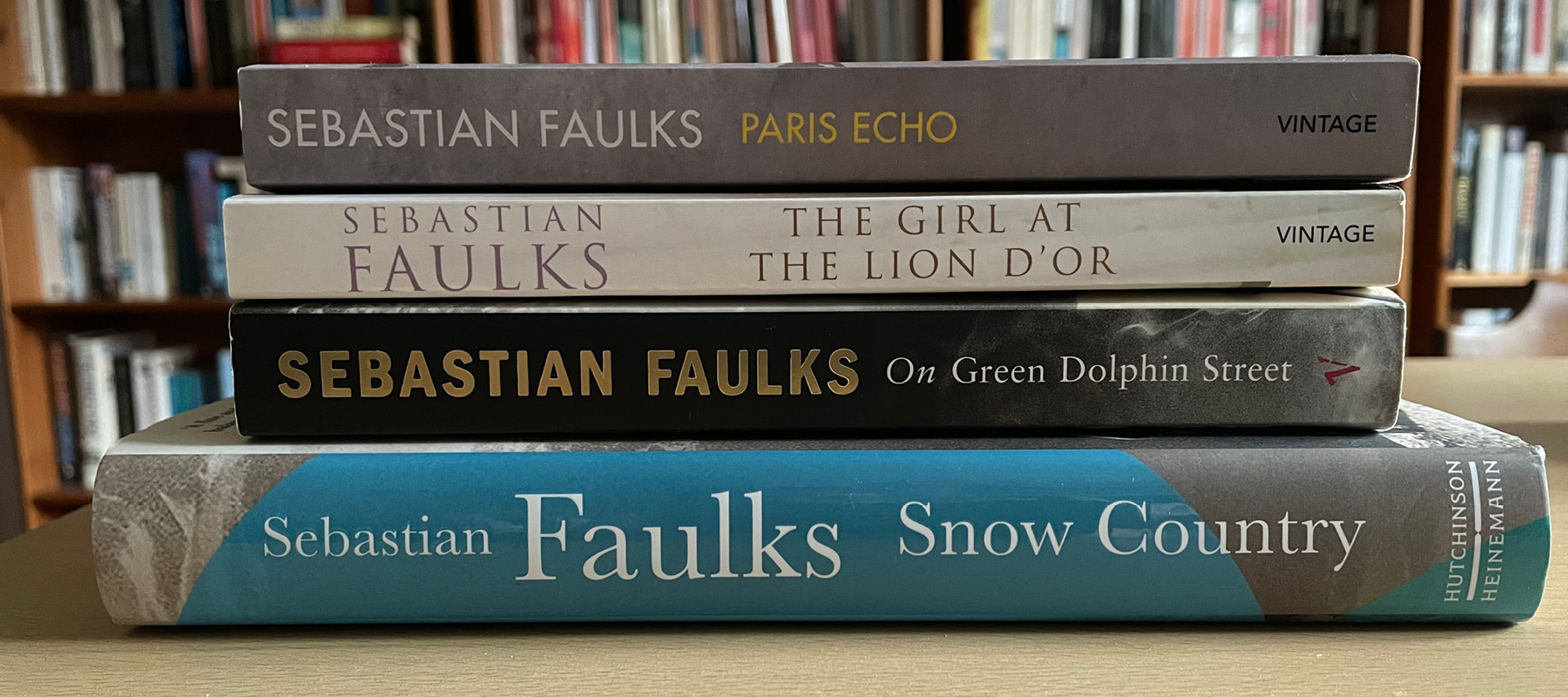
7 February I have always been an occasional reader of historical fiction, though it hasn’t been a conscious choice until quite recently. I just seemed to naturally gravitate towards books that were set in the past. Does Sebastian Faulks write historical fiction? I don’t…
Back to the wonderful world of historical fiction to welcome in the new year. I discovered Andrew Taylor last summer. His The Last Protector, set in Restoration England, is from his Marwood and Lovett series (I also now have The Ashes of London, the first of them). Hilary Mantel’s The Mirror and the Light, the final part of her Thomas Cromwell trilogy, still awaits, and her 800-page A Place of Greater Safety, set during the French Revolution, is also on this year’s reading list. The wonderful Kate Mosse also has her latest paperback out later this month, I think, the sequel to The Burning Chambers.
My Inspector Rebus reading journey has arrived at The Hanging Garden, originally published in 1998. The main plot line concerns an ugly turf war between rival gangsters. Hello again, ‘Big Ger’. One of the great things about following the Rebus trail is the cast of recurring characters. Big Ger is still doing time and his ascendancy is threatened by the not-at-all-pleasant Tommy Telford. Rankin takes us to even uglier places than usual (and not in a sightseeing sense) and the book doesn’t pull its punches in its portrayal of graphic violence, including the torture of Rebus himself. There is also a nice Brian de Palma, Untouchables-esque set piece involving a planned armed raid on a top-secret pharmaceutical factory.
Steve Hackett played guitar in the ‘classic’ Genesis line-up of the Seventies, of course. These days I count myself as a huge fan of his solo work too. I bought his (excellent) third album, Spectral Mornings, way back when it was first released in 1979, having been enchanted by the song Every Day. But I have only really got to know his solo stuff in the last few years, taking a chance on a 2017 album, The Night Siren, after which I picked up a cheap collection of five of his mid-career releases. His recent output — in terms of both quantity and quality — is phenomenal. In fact, unlike most late-in-their-career artists, he is currently producing the best music of his life.
From the Queen of Detective Fiction (Agatha Christie, as sort of described by AJP Taylor) to the latest pretender to the crime-writing throne — Richard Osman, sales of whose debut novel, The Thursday Murder Club, have been sensational.
I am not normally a fan of ‘celebrity’ writers — or indeed celebrity anything else. Football managers, for example. There’s more than a whiff of unfairness in the air, a sense that their name brings with it massive advantages not available to ‘ordinary’ folk who may well be toiling in the background unnoticed for years and hoping against hope for a lucky break. However, I was intrigued after reading an interview with Osman in the Guardian to promote his follow-up. And besides, there are some great puff quotes on the cover.
3 September As I become more and more disillusioned with day-to-day politics — whether it is the rigidity and staleness of politicians constantly reciting ‘the party line’ or the rise of political lying as an art form and the failure of both parliament and…
Don’t look at the eyes, Rex!
If Carlsberg did books, they would probably publish something like Tom Holland’s Dominion: The Making of the Western Mind. This is a BIG book — big in scale and scope, big in ambition, big in subject matter. In lager terms, much more of a flagon than a pint…
Thoughts on Volume II of Isaac Deutscher’s biography of Trotsky, another Rebus novel and The Wind in the Willows; also the films Ray & Liz and Rambo: Last Blood; and the TV dramas Too Close and Innocent.
3 April I avoid opening Amazon’s emails telling me what their omniscient algorithms think I should be buying and I never even look at the latest fiction and non-fiction charts so, other than skimming the Guardian’s Review magazine on Saturdays, I am always rather…
1 March Having just watched the recent Elisabeth Moss film The Invisible Man, I am reading the original novel, written by HG Wells and published in 1897, the same year as Bram Stoker’s Dracula. I have never been scientifically minded but two film adaptations…
1 February Age of Empire 1875–1914 is the final part of Eric Hobsbawm’s trilogy about what he called ‘the long nineteenth century’, beginning with the French Revolution in 1789 and ending with the outbreak of war in 1914. I bought this book at university…
2 January A fantastic way to kick off the new year — Bring Up the Bodies, the second volume of Hilary Mantel’s fictional account of the later life of Thomas Cromwell, the architect of much that went on in the name of Henry VIII…
1 December Straight in at Number One on my reading list goes A Promised Land, the first volume of Barack Obama’s memoirs. Just a quick word on the cover price — a wallet-busting £35 (selling at half price in Asda). It’s said that the…
Reviewing a biography of Queen by Laura Jackson on Amazon back in 2002, I bemoaned “the frustrations of the literate Queen fan”. It was a (very) clumsy — not to mention pompous — way of saying that here was yet another 300 or so…
1 November With a due sense of dread I have started to read Bohemian Rhapsody: The Definitive Biography of Freddie Mercury by Lesley-Ann Jones. I generally avoid the ‘popular’ biography genre — books about celebrities written for a mass-market audience. From the few I…
1 October The Romantics and Us is the latest TV series from Simon Schama, who is perhaps best known to non-historians for his A History of Britain TV series at the turn of the millennium. Watching this is part of ongoing efforts to broaden…
2 September I re-watched The Ninth Gate, having referred to it in my recent Dennis Wheatley blog. Considering that it is directed by Roman Polanski — highly renowned, if controversial for non-film reasons; my favourite film of his is The Pianist — it plods…
1 August With the football season at an end, there’s time to try out a classic film that I have never actually seen before — Ice Station Zebra — ‘classic’ in the very loose sense of a film with an all-star cast that turns…
1 July Some thoughts, to begin with, on Philomena and On Chesil Beach, two films I watched last week on the BBC and thoroughly enjoyed. I was already aware of Martin Sixsmith, who wrote the book on which Philomena is based, from his time…
Notwithstanding the ‘black magic’ label, Wheatley in fact offers the reader a largely standard adventure-novel diet of kidnappings, escapes and manhunts, served up with lashings of derring-do. Though the plots are undoubtedly exciting in parts, the writing itself is distinctly mediocre and unimaginative.
6 June After seeing a tweet from the great Steven Pinker a few days ago, I decided to reread Politics Among Nations: The Struggle for Power and Peace by Hans J Morgenthau. It was a book that I used a lot at university. My…
Wednesday 6 May I finished two things today: Homeland on Channel 4 and the Rudolf Hess biography, Hess: The Führer’s Disciple. I stayed up late to watch the final episodes of the final series of Homeland. Eight series in total — and what fantastic…
6 April John Barton’s A History of the Bible: The Book and Its faith is proving an absolute treat. My interest in religion and belief systems has developed over the last decade or so, triggered — does this count as irony? — by reading…
3 March Back to one of my favourite novelists — Sebastian Faulks. Birdsong is probably his best-known book, but my favourite is Human Traces, a brilliant mix of invention, imaginative reconstruction and exposition of developments in psychiatry and psychoanalysis. I have reached for On…
3 February I finished A Divided Spy by Charles Cumming the other day. That means I managed to read four books in January, putting me comfortably ahead of my target. A nice balance, too, of fiction and non-fiction, academic and non-academic, challenging and ‘lighter’…
1 January New year — new decade — new resolution … a reading log or diary. Let’s see how this goes. Also thinking of setting myself a target of a book every ten days, equating to 36 books over the year. That means reading…
A strength of the book is that, throughout, the reader senses that judgements made are balanced and fair, sympathetic to the man but not blinkered to his mistakes, failures and personal foibles — not least a tendency to irascibility and impatience towards others as…
Bevan was a passionate man, a man of unimpeachable integrity and honesty, a great orator (indeed, one of the towering parliamentary speakers of the century) and an able minister and administrator — a true political heavyweight. Yet, we sense also an imperious temperament, a…
A thematic approach might have allowed a more coherent analysis of Clinton’s overall record in office. On the other hand, the book at least has the advantage of raising issues as Clinton experienced them at the time (with occasional — and brief — pauses…
One is left with a nagging sense of disappointment that the Grand Old Man of the British centre didn’t bequeath to us the definitive story of this liberal internationalist and champion of progressive politics — a man very much like Jenkins himself, in fact….
The viewer can almost feel the heat generated by the ‘pizza oven’ lighting rig (page 135) or reach out to touch the various drums and cymbals that surround Roger on stage (page 151, for example). Diogenes Queen in 3–D by Brian May Brian May…